
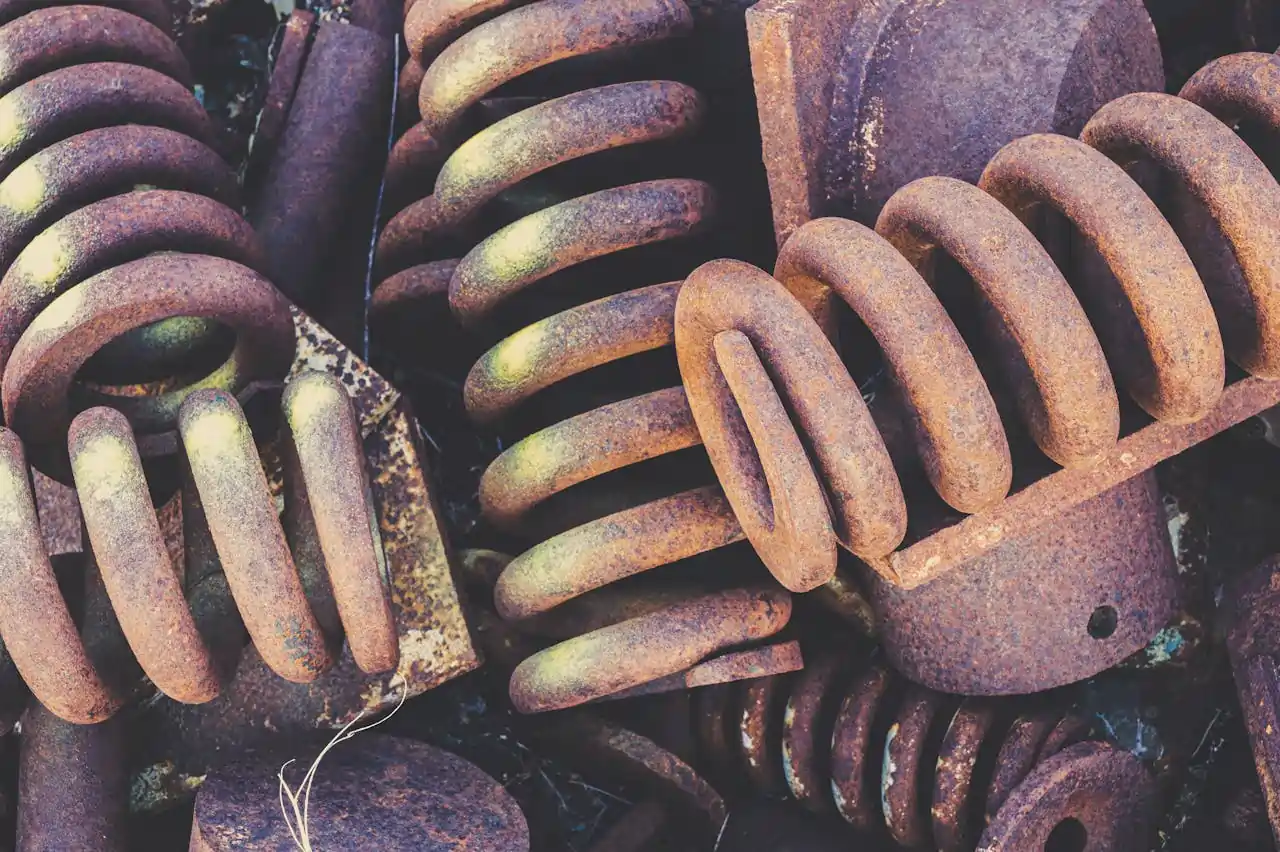
What Are the Four Uses of Compressed Springs in Everyday Life
Compressed springs are everywhere in modern life, even if we rarely notice them. From vehicles to household tools, these small mechanical components play a huge role in making everyday objects functional, safe, and efficient.
A compressed spring is a type of mechanical spring that stores energy when it is pushed or compressed. Once the force is removed, it releases that energy and returns to its original shape. This simple action is what makes so many machines and devices work smoothly.
In this article, we will explore the four most important uses of compressed springs in everyday life, how they function, and why they are so essential. We will also lightly mention how spring compressors are used in specific maintenance situations involving high-tension springs.
Understanding what a compressed spring does
Before looking at real-life uses, it is important to understand the basic function of a compressed spring.
A compressed spring works by resisting force when it is pushed together. As it compresses, it stores mechanical energy inside its structure. When the force is removed, it pushes back to its original position.
This simple energy storage and release system is what allows springs to control movement, absorb shock, and maintain pressure in countless applications.
Even though the concept is simple, the impact of compressed springs in everyday life is massive.
Use 1: Automotive suspension systems
One of the most important uses of compressed springs is in vehicle suspension systems. Every time you drive a car, compressed springs are working underneath you to ensure a smooth and stable ride.
How they work in vehicles
In a car’s suspension system, compressed springs absorb shocks from the road. When the vehicle goes over a bump, the wheel moves upward, compressing the spring. The spring stores that energy and then releases it, helping the wheel return to its normal position.
This process helps:
- Reduce vibration inside the vehicle
- Improve passenger comfort
- Maintain tire contact with the road
- Enhance vehicle stability and control
Without compressed springs, every bump in the road would directly transfer to the vehicle body, making driving uncomfortable and unsafe.
Role in safety
Compressed springs also play a major role in safety. They help maintain proper ride height and balance, ensuring that the vehicle handles correctly during braking and turning.
If a spring becomes weak or damaged, it can affect steering, braking distance, and overall stability.
Maintenance and tools
When replacing suspension springs, technicians often use spring compressors to safely handle the high tension in the coil spring. This ensures the spring can be removed and installed without sudden release of force.
Use 2: Mechanical devices and industrial machinery
Another major use of compressed springs is in mechanical systems and industrial machinery. These springs help control movement, apply force, and reset mechanical parts after use.
How they function in machines
In machines, compressed springs are often used to push components back into position after they have been activated. For example, in pressing machines, valves, or automated systems, the spring ensures that parts return to their starting position.
This allows machines to operate in smooth and repetitive cycles without manual reset.
Importance in manufacturing
In industrial environments, compressed springs are essential for:
- Maintaining consistent pressure in machines
- Controlling mechanical timing
- Reducing wear on moving parts
- Improving production efficiency
They are used in everything from large factory equipment to small precision tools.
Why durability matters
In industrial use, springs are often under constant stress. This means they must be made from high-quality materials that can withstand repeated compression cycles without losing strength.
Use 3: Household items and everyday tools
Compressed springs are also found in many common household objects that we use every day without thinking about them.
Examples in daily life
You can find compressed springs in:
- Pens and mechanical pencils
- Door locks and latches
- Remote controls
- Kitchen appliances
- Clipboards and clamps
In each of these items, the spring helps create controlled movement or pressure.
How they improve functionality
In a pen, for example, a compressed spring pushes the ink cartridge back into place when not in use. In a door latch, it ensures the door stays closed securely until pressure is applied.
These small mechanisms make everyday objects more convenient and reliable.
Simple but essential
Even though these springs are small, they are critical to the function of many devices. Without them, many simple actions like clicking a pen or closing a latch would not work properly.
Use 4: Medical and safety equipment
Compressed springs are also widely used in medical and safety equipment. Their ability to store and release controlled force makes them ideal for precision tools and life-saving devices.
Medical applications
In medical equipment, compressed springs are used in:
- Syringes
- Surgical tools
- Hospital beds
- Diagnostic devices
For example, in syringes, the spring helps control smooth and consistent movement, allowing precise dosage delivery.
Safety equipment applications
Compressed springs are also used in safety systems such as:
- Seatbelt mechanisms
- Emergency release systems
- Fire extinguishers
- Safety locks
In seatbelts, springs help retract the belt quickly when not in use, keeping it ready for the next activation.
Importance of reliability
In medical and safety applications, reliability is critical. A spring failure in these systems could lead to serious consequences, which is why high-quality materials and strict manufacturing standards are used.
How compressed springs are made, how they wear out, and why they are so widely used
Now that we have covered the four main uses of compressed springs in everyday life, it is important to understand how these springs are actually made and why they remain one of the most important mechanical components in modern engineering.
This section also explains how they wear out over time and why proper handling, including the occasional use of spring compressors in automotive maintenance, becomes necessary.
How compressed springs are manufactured
Compressed springs are usually made from high-strength steel wire that is shaped into a helical coil. While the design looks simple, the manufacturing process requires precision to ensure consistent performance.
Step 1: Selecting the material
The process begins with choosing the right type of steel. Most compressed springs are made from carbon steel or alloy steel because these materials offer a strong balance of flexibility and durability.
In high-performance applications, stainless steel or specialized alloys may be used to resist corrosion and extreme stress.
Step 2: Forming the coil shape
The steel wire is wound into a spiral shape using specialized machines. The spacing between coils, wire thickness, and overall diameter are carefully controlled.
These design factors determine how much force the spring can handle and how it behaves under compression.
Step 3: Heat treatment
After shaping, the spring is heat treated to improve strength and elasticity. This process removes internal stress from the metal and ensures the spring can return to its original shape after repeated use.
Without proper heat treatment, a spring would lose its flexibility much faster.
Step 4: Surface finishing
The final step is surface treatment. This may include coating or polishing to protect the spring from rust and corrosion.
In automotive and industrial environments, this step is very important because exposure to moisture and chemicals can shorten the life of the spring.
Why compressed springs are used in so many systems
Compressed springs are used across so many industries because they offer a rare combination of simplicity, reliability, and efficiency.
1. Simple mechanical function
They do not require electricity or complex systems to work. They respond directly to physical force, which makes them extremely reliable.
2. High energy efficiency
Compressed springs store energy mechanically and release it instantly when needed. There is no energy loss through conversion processes like in electrical systems.
3. Long service life
When designed correctly, compressed springs can last for millions of cycles without failure. This makes them ideal for repetitive motion systems.
4. Cost effectiveness
Compared to other mechanical solutions, springs are inexpensive to manufacture and maintain, making them suitable for mass production.
How compressed springs wear out over time
Even though compressed springs are durable, they are not permanent. Over time, they can lose strength due to repeated use and environmental exposure.
1. Metal fatigue
Every time a spring is compressed and released, it undergoes stress. Over thousands or millions of cycles, this stress creates tiny cracks in the metal structure.
Eventually, these cracks weaken the spring and reduce its performance.
2. Permanent deformation
If a spring is overloaded beyond its design limit, it may not return to its original shape. This is known as permanent deformation, and it reduces the effectiveness of the spring.
3. Corrosion damage
Moisture, salt, and chemicals can cause rust, which weakens the surface of the spring. Once corrosion starts, it spreads and reduces the structural integrity of the metal.
4. Loss of elasticity
Over time, springs can lose their ability to fully expand after compression. This leads to reduced performance in systems like suspension, where consistent force is required.
Real-world effects of spring wear
When a compressed spring starts to wear out, the effects are usually noticeable in the system it supports.
In vehicles
- The ride becomes less smooth
- The vehicle may sag on one side
- Handling becomes less stable
- Suspension noise may increase
In machinery
- Mechanical timing becomes inconsistent
- Components may not reset properly
- Overall system efficiency decreases
This is why regular inspection and maintenance are important in systems that rely heavily on springs.
The role of spring compressors in maintenance
In automotive systems, especially suspension assemblies, compressed springs can hold a large amount of stored energy. This makes them potentially dangerous to handle without proper tools.
A spring compressor is used to safely compress the coil spring so that it can be removed or installed without sudden release of force.
This tool is especially important when:
- Replacing suspension springs
- Repairing struts
- Working on high-tension coil systems
It allows controlled handling, reducing the risk of injury and ensuring proper installation.
Why understanding spring behavior matters
Knowing how compressed springs work is not just useful for engineers or mechanics. It helps anyone understand how many everyday objects function and why they eventually wear out.
From cars to kitchen tools, springs are constantly working behind the scenes. Understanding their behavior helps in:
- Choosing better products
- Identifying early signs of failure
- Improving maintenance practices
- Ensuring safety in mechanical systems
Real-world importance, safety considerations, and final understanding of compressed springs
At this point, we understand what compressed springs are, how they are made, and where they are used in everyday life. The final part focuses on why they matter so much in real-world systems, how safety plays a role when working with them, and what we can learn from their behavior in different environments.
This section also lightly connects their maintenance to tools like spring compressors, especially in automotive applications where controlled handling is critical.
Why compressed springs are so important in everyday systems
Compressed springs may seem like simple components, but they are essential to the smooth operation of countless systems around us. Their importance comes from the fact that they perform a basic but powerful function: storing and releasing energy in a controlled way.
Without compressed springs, many systems would become unstable, uncomfortable, or even unsafe.
They provide control in movement
In most mechanical systems, movement needs to be controlled. Springs help regulate that movement by resisting force and returning components to their original position.
This is why they are used in vehicles, machines, tools, and safety devices. They make motion predictable and stable.
They reduce wear and damage
By absorbing shock and distributing force evenly, compressed springs reduce direct impact on other components. This helps extend the life of machines and devices.
For example, in vehicles, suspension springs reduce stress on the chassis and tires. In machines, they prevent sudden jerks that could damage sensitive parts.
They improve safety
Many safety systems depend on compressed springs. From seatbelt retraction systems to emergency mechanisms, springs ensure devices respond quickly and reliably when needed.
If a spring fails in a safety system, the entire function of that system can be compromised.
Safety considerations when working with compressed springs
Although compressed springs are common and often small, they can store a significant amount of energy when compressed. This makes them potentially dangerous if handled incorrectly.
Stored energy risk
When a spring is compressed, it holds potential energy. If that energy is suddenly released, it can cause the spring to move with great force.
This is especially true for larger springs used in vehicles and industrial equipment.
Why caution is needed in automotive systems
In car suspension systems, coil springs are under high tension. Removing or installing them without proper tools can be extremely dangerous.
This is where spring compressors are used. These tools allow controlled compression of the spring so that it can be safely removed or installed without sudden release of force.
Even experienced technicians rely on these tools because of the risks involved.
General safety guidelines
When working with compressed springs:
- Always ensure the spring is properly secured before handling
- Avoid using damaged or low-quality tools
- Do not attempt to remove high-tension springs without proper equipment
- Inspect springs for cracks or rust before reuse
- Follow proper mechanical procedures during installation
These precautions reduce the risk of injury and equipment damage.
Why compressed springs remain essential in modern design
Even with advancements in technology, compressed springs continue to be widely used because they are simple, reliable, and highly effective.
Mechanical reliability
Springs do not rely on electronics or external power sources. They work purely on mechanical force, which makes them extremely dependable in all conditions.
Versatility across industries
From small household tools to large industrial machines, compressed springs can be scaled and adapted for almost any application.
Their flexibility in design allows engineers to customize them for specific loads and environments.
Cost efficiency
Compared to more complex mechanical or electronic solutions, compressed springs are inexpensive to produce and maintain. This makes them ideal for mass production and long-term use.
Key takeaways from how compressed springs work
To summarize the entire concept, compressed springs operate on a very simple principle, but their impact is widespread.
- They store energy when compressed
- They release energy when the force is removed
- They help control motion and absorb shock
- They improve safety and efficiency in mechanical systems
This simple mechanism is what makes them so valuable in everyday life.
Final conclusion
Compressed springs are one of the most fundamental components in mechanical engineering. Despite their simple appearance, they play a critical role in four major areas of everyday life: automotive systems, industrial machinery, household tools, and medical or safety equipment.
Their ability to store and release energy makes them essential for controlling movement, absorbing shock, and maintaining force in a wide range of systems.
However, their usefulness comes with responsibility. Because they store energy under compression, proper handling is important, especially in high-tension applications where spring compressors are used to ensure safety during maintenance.
Understanding how compressed springs work gives a clearer appreciation of the hidden mechanics behind many everyday objects. It also highlights the importance of maintenance, material quality, and safe handling in ensuring long-lasting performance.
In simple terms, compressed springs are small components with a big impact, quietly powering and stabilizing much of the modern world around us.
Frequently Asked Questions
1. What are the most common uses of compressed springs in daily life?
The four main uses are automotive suspension systems, industrial machinery, household items, and medical or safety equipment. In each case, the spring helps control movement, absorb shock, or store and release energy.
2. How do compressed springs work in cars?
In cars, compressed springs are part of the suspension system. They absorb shocks from bumps and uneven roads by compressing and then returning to their original shape, helping maintain comfort, stability, and road grip.
3. Where are compressed springs used in household items?
They are found in many everyday tools such as pens, door locks, clips, remote controls, and kitchen appliances. They help create smooth movement, return mechanisms, or controlled pressure in simple devices.
4. Why are compressed springs used in industrial machines?
Industrial machines use compressed springs to control repetitive motion, maintain pressure, and reset mechanical parts after each cycle. This improves efficiency and keeps machines running smoothly.
5. Are compressed springs used in safety equipment?
Yes, they are used in systems like seatbelts, emergency release mechanisms, and fire extinguishers. They help ensure quick and reliable operation when safety functions are triggered.
6. What happens when a compressed spring wears out?
Over time, springs can lose strength due to fatigue, rust, or overloading. This may cause sagging, reduced performance, or failure to return to their original shape.
7. Are spring compressors needed when working with compressed springs?
In high-tension applications like car suspension systems, spring compressors are often used to safely compress and release coil springs during repair or replacement. This helps prevent sudden force release and injury.
8. Can a damaged compressed spring be repaired?
No, once a spring is damaged or deformed, it cannot be reliably repaired. It must be replaced to ensure safety and proper performance.
9. Why are compressed springs so widely used?
They are simple, durable, cost-effective, and highly efficient at storing and releasing energy. This makes them suitable for a wide range of everyday and industrial applications.
10. How long do compressed springs last?
Their lifespan depends on usage, load, and environment. In normal conditions, high-quality springs can last for many years, but heavy use or harsh conditions can shorten their life.






Add comment