
Can You Drive Without a Coil Spring?
Car Coil Spring Compressor are a fundamental part of a vehicle’s suspension system, yet many drivers do not fully understand their importance until something goes wrong. A common question that comes up when dealing with suspension damage is whether it is possible to drive a car without a coil spring.
The short answer is that while a vehicle might still move without a coil spring, it is not safe or recommended under any circumstances. Driving without a properly functioning coil spring can lead to severe handling issues, structural damage, and increased risk of accidents.
In this guide, we will explore what happens when a coil spring is missing or broken, how it affects your vehicle, and why immediate repair is essential.
What Does a Coil Spring Do in a Car?
To understand why driving without a coil spring is dangerous, it is important to know its role in the suspension system.
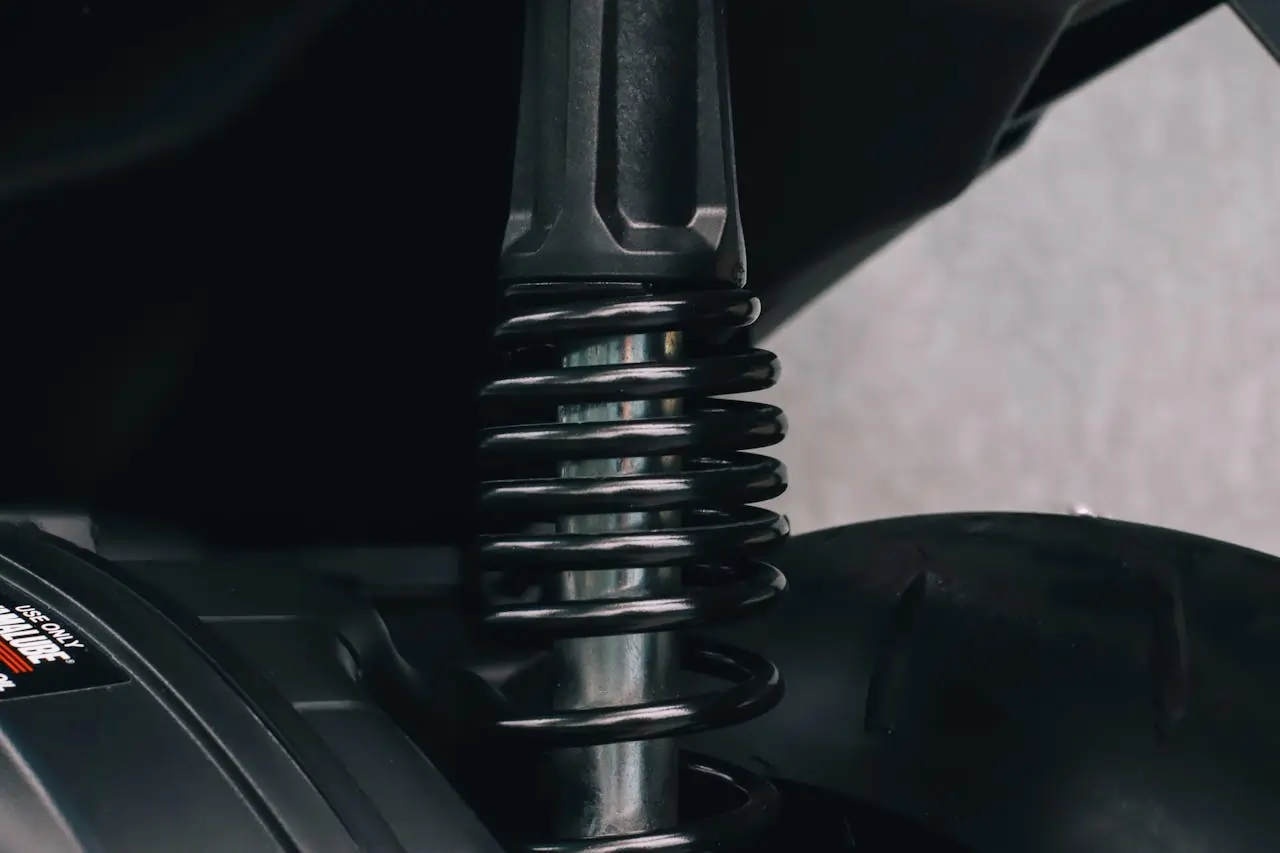
A coil spring supports the weight of the vehicle and helps absorb shocks from the road. It works together with the shock absorber or strut to keep the tires in contact with the ground. This ensures stability, comfort, and control while driving.
When you hit a bump, the spring compresses and then returns to its original shape. This motion helps reduce the impact felt inside the vehicle and prevents excessive bouncing.
Without this component, the suspension system loses its ability to manage vertical movement effectively.
Can a Car Physically Move Without a Coil Spring?
Technically, yes, a car can still move if a coil spring is missing or completely broken. The vehicle’s engine, transmission, and wheels will still function.
However, just because the car can move does not mean it should be driven. Without the spring, the affected corner of the vehicle will drop significantly, placing stress on other suspension components.
In some cases, the tire may rub against the wheel well or other parts of the car. This can lead to further damage within a very short distance.
Driving in this condition is extremely unsafe and should only be considered in emergency situations where the vehicle must be moved a very short distance.
What Happens If You Drive Without a Coil Spring
Severe Ride Height Imbalance
One of the first and most noticeable effects is uneven ride height. The corner of the car without a functioning coil spring will sit much lower than the rest of the vehicle.
This imbalance affects not only the appearance but also the way the car handles. The weight distribution becomes uneven, which can lead to unpredictable movement while driving.
Poor Handling and Stability
Without a coil spring, the suspension cannot properly absorb shocks or maintain tire contact with the road. This results in poor handling, especially when turning, braking, or driving over uneven surfaces.
The car may feel unstable, and steering control can become inconsistent. This is particularly dangerous at higher speeds or in emergency situations where precise handling is required.
Increased Stress on Other Components
When a coil spring is missing, other parts of the suspension system are forced to compensate. This includes the shock absorber, control arms, and bushings.
These components are not designed to carry the full load of the vehicle on their own. As a result, they can wear out quickly or fail entirely.
Over time, this can lead to more expensive repairs beyond just replacing the spring.
Risk of Tire Damage
Another major risk is damage to the tires. Without proper suspension support, the tire may come into contact with the wheel well or other parts of the vehicle.
This can cause rapid wear, cuts, or even a blowout. Tire damage can occur very quickly, especially if the car is driven over bumps or rough roads.
Potential for Further Mechanical Failure
Driving without a coil spring can trigger a chain reaction of mechanical problems. As stress increases on other components, the likelihood of additional failures grows.
For example, the shock absorber may bottom out repeatedly, leading to internal damage. Mounting points may also become strained, affecting the overall integrity of the suspension system.
Is It Ever Safe to Drive a Short Distance Without a Coil Spring?
In very limited emergency situations, a vehicle with a broken or missing coil spring might still be moved a short distance, such as getting off a busy road or reaching a nearby safe parking area. However, this is not considered safe driving in any normal sense.
When one coil spring fails, the suspension on that corner collapses and the car becomes heavily unbalanced. Even at low speeds, the vehicle will handle poorly, and steering control can be unpredictable. Braking distance may also increase because the tire is not maintaining proper contact with the road surface.
If the spring has completely broken, metal fragments or loose suspension parts may also create additional hazards. For this reason, even a short drive should only be done if absolutely necessary and at extremely low speed, while avoiding bumps and turns as much as possible.
The safest option is always to tow the vehicle or have it repaired on-site if possible.
Signs Your Coil Spring Is Broken or Failing
A coil spring does not always fail suddenly. In many cases, there are warning signs that indicate damage or weakening over time.
One of the most common signs is a noticeable drop in ride height on one side of the vehicle. If a corner of the car looks lower than the others, it may indicate that the spring has broken or lost tension.
Another sign is unusual noises coming from the suspension. A broken spring can cause clunking or rattling sounds, especially when driving over bumps or turning.
Uneven tire wear is also a common indicator. When suspension support is compromised, the tire may not sit flat on the road, causing uneven pressure distribution and accelerated wear patterns.
You may also notice poor handling, especially during cornering or braking. The vehicle may feel unstable or “loose,” particularly on rough or uneven roads.
Rust is another major factor, especially in older vehicles. Over time, corrosion can weaken the coil spring, making it more likely to snap under stress.
Why Coil Springs Fail
Coil springs are designed to last a long time, but they are constantly exposed to stress, road impact, moisture, and temperature changes. Over time, these factors can cause fatigue in the metal.
Rust is one of the biggest causes of failure. When moisture and road salt accumulate on the spring surface, corrosion weakens the structure. Eventually, this can lead to cracking or complete breakage.
Heavy loads and poor road conditions also contribute to wear. Vehicles that frequently carry heavy cargo or drive on rough terrain tend to experience faster suspension fatigue.
In some cases, manufacturing defects or poor-quality replacement parts can also lead to premature failure.
What to Do If Your Coil Spring Breaks
If you suspect or confirm that a coil spring has broken, the vehicle should not be driven except in emergencies. The safest action is to stop driving and arrange for repairs.
A professional mechanic will typically replace the damaged spring and inspect surrounding suspension components for additional wear or damage. In most cases, springs are replaced in pairs to ensure balanced performance.
During installation, a car coil spring compressor may be used to safely remove and install the new spring, especially in strut-based suspension systems. This ensures that the high tension in the spring is controlled during the repair process.
Ignoring a broken spring can lead to further suspension damage and significantly increase repair costs over time.
Repairing a Coil Spring
Replacing a coil spring involves lifting the vehicle, removing the wheel, and disassembling the suspension assembly. Because coil springs are under high tension, specialized tools are often required to safely handle them.
A coil spring compressor is commonly used to compress the spring during removal and installation. This allows the mechanic to safely detach the strut mount and replace the damaged spring without sudden release of force.
Once the new spring is installed, the suspension is reassembled and tested to ensure proper alignment and ride height.
After repair, it is also recommended to check wheel alignment, as suspension changes can affect steering geometry.
Final Thoughts
Driving without a coil spring is not safe and should only be considered in emergency situations for very short distances. Even though the vehicle may still move, the loss of suspension support creates serious risks including poor handling, tire damage, and further mechanical failure.
Coil springs are a critical part of vehicle safety and performance, and any sign of damage should be addressed immediately. Using proper repair methods and tools ensures that the suspension system remains stable and reliable.
If a coil spring fails, the best decision is always to repair it as soon as possible rather than attempting to continue driving.
Frequently Asked Questions
1. Can you drive without a coil spring?
Technically a car may still move without a coil spring, but it is unsafe. The suspension becomes unstable and the vehicle can lose proper handling and control.
2. What happens if a coil spring breaks while driving?
If a coil spring breaks while driving, the car may suddenly drop on one side, causing poor steering control, uneven tire contact, and increased risk of an accident.
3. How far can you drive with a broken coil spring?
You should only drive a very short distance in an emergency, such as moving the car off the road. Any longer driving can cause serious damage and safety risks.
4. Is it illegal to drive with a broken coil spring?
In many regions, driving with a damaged suspension can be considered unsafe and may fail vehicle inspections. Laws vary, but it is generally not roadworthy.
5. What are the signs of a bad coil spring?
Common signs include uneven ride height, clunking noises, poor handling, and visible damage or rust on the spring.
6. Can a broken coil spring damage other parts of the car?
Yes. It can cause damage to tires, shock absorbers, control arms, and other suspension components due to uneven stress.
7. How is a coil spring replaced?
A mechanic removes the suspension assembly, uses a coil spring compressor to safely compress the spring, replaces it, and then reassembles the system.
8. Should coil springs be replaced in pairs?
Yes. Replacing springs in pairs ensures balanced suspension performance and prevents uneven ride height or handling issues.






Add comment