
Is Replacing a Coil Spring a Big Job?
Replacing a coil spring is one of those car repairs that sounds simple in theory but becomes much more complex once you understand what is actually involved. Many car owners assume it is just a matter of removing a part and installing a new one, but in reality, coil springs are under significant tension and are integrated into critical suspension components.
So, is replacing a coil spring a big job? The answer depends on your experience level, the tools you have, and the type of suspension system your vehicle uses. For a professional mechanic, it is a manageable but careful task. For a beginner or DIY car owner, it can quickly become a challenging and potentially dangerous job without the right equipment.
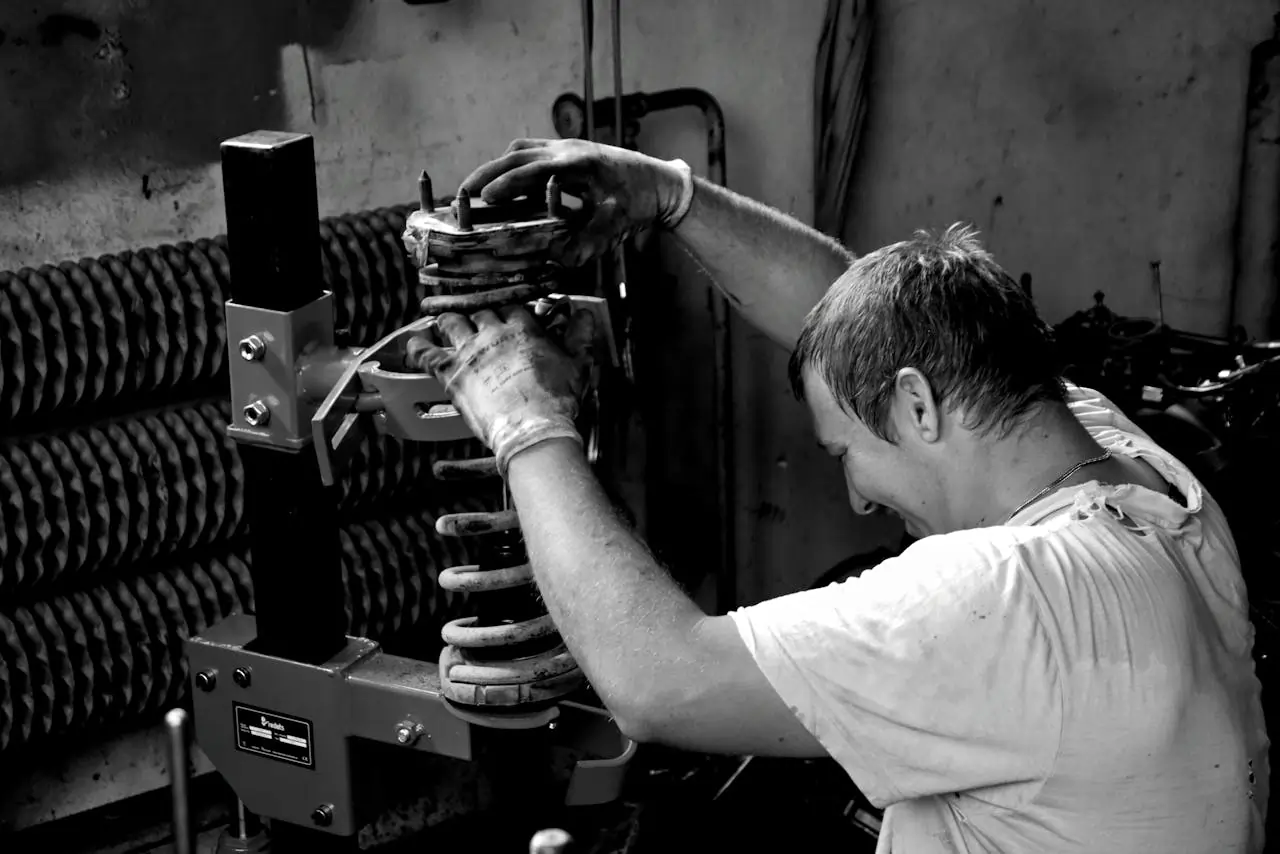
One of the most important tools in this process is a car spring compressor tool, which is used to safely compress the coil spring during removal and installation. In many cases, a strut spring compressor is specifically required for strut-based suspension systems where the spring is tightly mounted around the shock absorber.
Understanding the complexity of this job will help you decide whether it is something you should attempt yourself or leave to a professional.
Understanding the Role of the Coil Spring in Your Suspension
Before evaluating the difficulty of replacement, it is important to understand what a coil spring actually does in your vehicle.
The coil spring is a key part of the suspension system. It supports the weight of the vehicle, absorbs road impacts, and helps maintain tire contact with the road surface. It works together with the shock absorber or strut to control movement and ensure stability.
Because the spring is constantly under pressure, it stores a large amount of mechanical energy. Even when the vehicle is parked, that energy remains locked inside the spring. This is what makes coil spring replacement a high-risk task if not handled properly.
During replacement, this stored energy must be safely released and controlled. This is where a car spring compressor tool becomes essential.
Why Coil Spring Replacement Is Considered a Complex Job
Replacing a coil spring is not just a mechanical swap. It involves disassembling part of the suspension system, handling high-tension components, and ensuring correct reassembly.
One of the main challenges is accessing the spring itself. In most modern vehicles, the coil spring is part of a strut assembly. This means it is mounted tightly around the shock absorber and secured at both the top and bottom with mounting hardware.
To remove it, the entire strut must be taken out of the vehicle. Once removed, the spring is still under pressure and cannot be safely detached without compression.
This is where a strut spring compressor becomes necessary. It allows the spring to be compressed evenly so that the top mount can be removed safely.
Without this tool, the spring can release force suddenly, which is dangerous and can damage nearby components.
The Importance of a Car Spring Compressor Tool
A car spring compressor tool is specifically designed to handle the high tension found in coil springs. It works by gripping the spring coils on opposite sides and slowly compressing them in a controlled manner.
This controlled compression allows the spring to be safely removed from the strut assembly without sudden movement.
The tool is not optional in most coil spring replacement jobs. It is a safety requirement that ensures the stored energy in the spring is managed properly.
There are different types of compressors available, but for strut-based suspension systems, a strut spring compressor is commonly used. This type of compressor is designed to provide better stability during compression, especially for tightly wound springs.
Using the correct tool significantly reduces the risk of injury and improves the accuracy of installation.
Step-by-Step Process of Replacing a Coil Spring
Replacing a coil spring involves several mechanical steps that must be done in the correct order. The process becomes much safer and more controlled when a car spring compressor tool or a strut spring compressor is used properly.
The first step is lifting the vehicle securely using a jack and supporting it with jack stands. The wheel is then removed to expose the suspension assembly. This provides access to the strut unit where the coil spring is located.
Next, the brake line brackets or any components attached to the strut are carefully detached to avoid strain or damage. Once everything is disconnected, the strut assembly is unbolted from the vehicle.
At this point, the strut unit is removed as a complete assembly. Even after removal, the coil spring remains under high tension, which makes it unsafe to handle without a compressor tool.
The car spring compressor tool is then attached to the coil spring. It must be positioned evenly on both sides of the spring to ensure balanced compression. This step is extremely important because uneven compression can cause the spring to tilt or slip.
Once the compressor is securely fitted, the spring is slowly compressed. This relieves pressure from the top mount, allowing it to be safely removed. After the mount is removed, the old coil spring can be taken out and replaced with a new one.
The process is then reversed for installation. The new spring is placed into the strut, compressed again using the strut spring compressor, and the top mount is reinstalled. Once everything is properly aligned, the compressor is slowly released.
Finally, the strut assembly is reinstalled into the vehicle, and all components are reattached.
Is Coil Spring Replacement a DIY Job or a Professional Job?
Whether coil spring replacement is a DIY job depends largely on experience, tools, and safety awareness.
For professional mechanics, this job is considered routine but still requires caution. They use high-quality strut spring compressor tools and have the experience to recognize improper compression or alignment issues.
For DIY users, the job is significantly more challenging. While it is possible to complete at home, it requires strict attention to safety and correct tool usage. The biggest challenge is handling the spring under pressure. Without proper use of a car spring compressor tool, the risk of injury increases significantly.
Beginners often underestimate how much force is stored in a coil spring. Even a small mistake in tool placement or tightening can cause instability.
For this reason, many car owners choose to have a professional handle coil spring replacement unless they are confident in suspension work.
Common Mistakes During Coil Spring Replacement
One of the most common mistakes is incorrect placement of the compressor hooks. If the car spring compressor tool is not positioned directly opposite each other, the spring can compress unevenly. This increases the risk of slipping during removal.
Another mistake is over-tightening the compressor. While it may seem safer to compress more, excessive force can damage the threads of the tool or distort the spring coils.
Using low-quality or worn-out tools is also a serious issue. A weak strut spring compressor can fail under load, which is extremely dangerous.
Rushing the process is another frequent problem. Coil spring replacement requires patience. Each step should be checked carefully before moving forward.
Some users also forget to inspect other suspension components while the strut is removed. This is a missed opportunity to identify worn mounts, bushings, or bearings that may need replacement.
Risks of Not Using a Strut Spring Compressor
Attempting coil spring replacement without a strut spring compressor is highly dangerous.
The most immediate risk is sudden release of stored energy. A coil spring under tension can release force violently if not controlled properly. This can cause serious injury or damage to surrounding parts.
There is also a high risk of damaging the strut assembly itself. Without controlled compression, removing the top mount becomes extremely difficult and can lead to bent or broken components.
In addition, improper installation can affect vehicle alignment and handling. If the spring is not seated correctly, the suspension may sit unevenly, leading to poor ride quality and increased tire wear.
A car spring compressor tool is specifically designed to eliminate these risks by controlling the spring’s energy in a safe and predictable way.
Time and Difficulty Level of the Job
Coil spring replacement typically takes between 1.5 to 3 hours per side for an experienced mechanic. For beginners, it can take significantly longer depending on familiarity with tools and suspension systems.
The difficulty level is considered moderate to high because of the safety risks and technical steps involved. While the mechanical concept is simple, the execution requires precision and proper equipment.
Part 2: Is replacing a coil spring a big job (continued)
Once the vehicle is safely lifted and the wheel is removed, the next stage is disassembling the suspension components. This is where the complexity of the job becomes more apparent, and where a strut spring compressor or car spring compressor tool becomes essential for safety and control.
Most modern vehicles use a MacPherson strut design, where the coil spring is wrapped around the strut assembly. The spring is under significant tension even when the vehicle is not loaded. Removing the strut without first compressing the spring is extremely dangerous, which is why a strut spring compressor is used to gradually compress the spring until it is safely held in a shortened position.
Removing the strut assembly
To access the coil spring, the strut assembly is usually disconnected from both the steering knuckle at the bottom and the top strut mount under the hood. Depending on the vehicle, this may also involve disconnecting brake line brackets, ABS sensors, and sway bar links.
Each of these steps requires attention to detail because many of these components are delicate or tightly fastened due to years of exposure to heat, dirt, and corrosion. In rust-prone areas, bolts may require penetrating oil or even heat application to loosen safely.
Once all connections are removed, the full strut assembly can be taken out of the vehicle. At this point, the coil spring is still tightly loaded on the strut, which is why the next step is critical.
Using a strut spring compressor safely
A strut spring compressor or car spring compressor tool is used to compress the coil spring evenly on both sides. This tool typically consists of two or more threaded rods with hooks that grip the coils of the spring. As the tool is tightened gradually, the spring is compressed and its tension is reduced.
It is very important to tighten both sides evenly and slowly. Uneven compression can cause the spring to twist or slip, which creates a serious safety hazard. Once the spring is fully compressed and no longer pressing against the top mount, the top nut of the strut can be safely removed.
At this point, the spring is still under compression but is controlled by the tool. This allows you to replace the strut, inspect the spring, or install a new coil spring depending on the repair required.
Replacing the coil spring
If the coil spring itself is damaged, sagging, or broken, it can now be removed and replaced. Springs should always be replaced in pairs on the same axle to maintain balanced handling and ride height. Installing only one new spring can lead to uneven suspension performance and unsafe driving conditions.
When installing the new spring, it must be positioned correctly on the strut mounts. Misalignment can cause noise, uneven wear, or suspension instability.
Once the new spring is in place, the strut is carefully reassembled while the spring is still compressed. After all components are secured, the spring compressor is slowly released, allowing the spring to expand into its working position.
Reinstalling the strut assembly
After reassembly, the strut unit is placed back into the vehicle. All bolts, brackets, and connections are reattached in reverse order of removal. It is important to torque all fasteners to manufacturer specifications, as under-tightening or over-tightening can affect suspension safety and performance.
Once the wheel is reinstalled and the vehicle is lowered, the suspension should be tested for proper alignment and movement. In many cases, a wheel alignment is required after coil spring or strut replacement to ensure proper handling and tire wear.
How difficult is the job in reality
While the steps above may sound straightforward, the actual difficulty depends heavily on experience level and vehicle condition.
For a professional mechanic, replacing a coil spring is a routine job that can often be completed in one to two hours per side. They have access to hydraulic car spring compressor tools, lifts, and impact tools that make the process faster and safer.
For a DIY enthusiast, the job can take significantly longer, often four to eight hours or more for the first attempt. The most challenging parts are usually:
- Removing rusted or seized bolts
- Handling the strut assembly safely under tension
- Compressing the spring evenly using a manual strut spring compressor
- Reinstalling components correctly without alignment issues
Because of these challenges, many people underestimate the job and only realize its complexity once they begin disassembly.
When replacing a coil spring becomes a “big job”
Replacing a coil spring is considered a big job in certain situations:
- When suspension components are heavily rusted or corroded
- When specialized tools like a hydraulic car spring compressor tool are not available
- When working on vehicles with complex multi-link suspension systems
- When both struts and springs need full replacement
- When additional repairs are discovered during disassembly
In contrast, on newer or well-maintained vehicles, the job is more manageable and straightforward.
Final thoughts
So, is replacing a coil spring a big job? The answer is that it depends on the conditions and the experience of the person doing it. Mechanically, it is not the most complex repair, but it is one of the more safety-sensitive tasks in suspension work because of the extreme tension stored in the spring.
A proper strut spring compressor or car spring compressor tool is absolutely essential for performing the job safely. Without it, the risk of injury is extremely high.
If you are inexperienced or do not have the right tools, this is one of those repairs where professional help is strongly recommended. However, with the correct equipment, patience, and careful attention to detail, it is a very achievable repair task.
Frequently Asked Questions
1. Is replacing a coil spring difficult for beginners?
Yes, it can be challenging for beginners because the coil spring is under high tension. Without the proper car spring compressor tool or strut spring compressor, the job becomes unsafe. Even with tools, careful step-by-step work is required.
2. Do I need a strut spring compressor to replace coil springs?
Yes, in most cases you need a strut spring compressor to safely remove and install coil springs on a strut assembly. It compresses the spring so you can remove the top mount without risk.
3. Can I replace a coil spring without a car spring compressor tool?
It is strongly not recommended. A coil spring stores a large amount of energy, and releasing it without a car spring compressor tool can cause serious injury or damage.
4. How long does it take to replace a coil spring?
For professionals, it usually takes 1 to 2 hours per side. For DIY users, it can take 4 to 8 hours depending on experience, tools, and rusted components.
5. Should I replace both coil springs at the same time?
Yes, it is generally recommended to replace coil springs in pairs on the same axle. This ensures balanced handling, even ride height, and consistent suspension performance.
6. What are the signs of a bad coil spring?
Common signs include uneven ride height, knocking noises, poor handling, visible cracks or breaks in the spring, and excessive bouncing while driving.
7. Do I need an alignment after replacing coil springs?
Yes, a wheel alignment is usually necessary after replacing coil springs or struts to ensure proper steering, handling, and tire wear.
8. Is replacing a coil spring worth doing myself?
It depends on your skill level and tools. If you have a proper strut spring compressor and mechanical experience, it can be done. Otherwise, it is safer and more efficient to have a professional handle it.






Add comment