
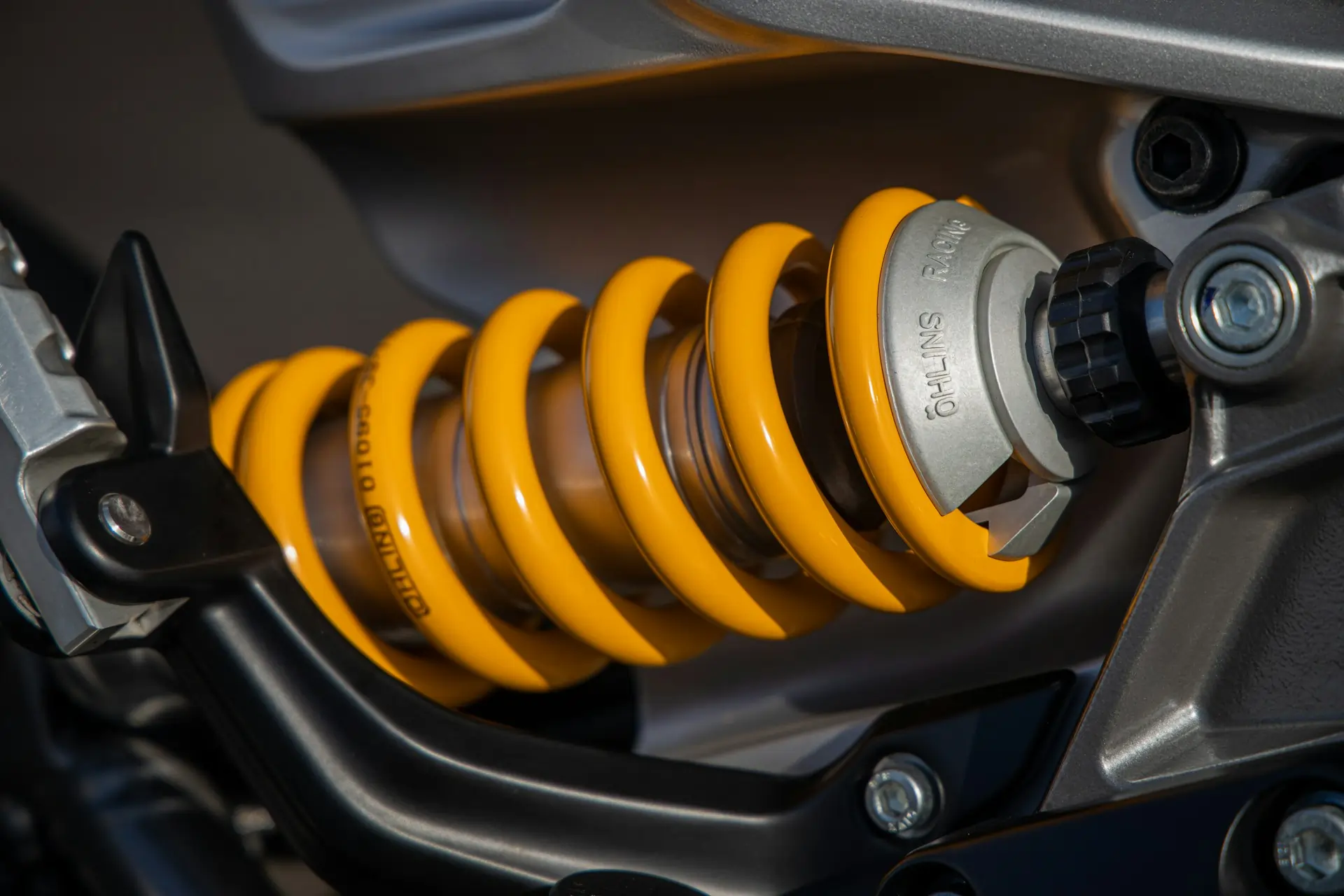
What Happens If You Compress a Spring Too Much?
Compressing a spring might seem like a simple mechanical action, but in reality it involves handling a component that stores a large amount of potential energy. A coil spring is designed to absorb force and release it gradually, which is exactly what makes it dangerous when handled incorrectly.
When a spring is compressed beyond its safe limit, or when the compression is uneven or uncontrolled, it can lead to serious mechanical failure, tool damage, or even personal injury. This is why professionals rely on a heavy duty spring compressor or a properly rated coil spring compressor heavy duty tool when working with suspension systems.
Understanding what happens when a spring is over-compressed is not just theoretical. It is directly related to safety in automotive repair, suspension maintenance, and industrial applications.
Understanding Spring Compression in Simple Terms
A coil spring works by storing energy when it is compressed and releasing that energy when the pressure is removed. This property allows it to absorb shocks and maintain vehicle stability.
When you use a spring compressor, you are manually applying force to reduce the length of the spring so that it can be removed or installed safely. However, every spring has a designed compression range. If you go beyond that range, the spring is no longer operating within safe mechanical limits.
A properly designed heavy duty spring compressor is built to control this process by applying steady and evenly distributed force. This helps prevent overstressing the spring during service.
What Actually Happens When a Spring Is Over-Compressed
When a coil spring is compressed too much, several things can happen depending on the material quality, load applied, and condition of the spring.
The first and most immediate effect is structural stress. Springs are designed to flex within a specific range. Once that range is exceeded, the metal begins to deform in ways it was not engineered to handle.
In some cases, the coils may bind against each other. This is known as coil bind. When coil bind occurs, the spring can no longer compress evenly, and all remaining force is transferred into the metal structure itself. This significantly increases the risk of permanent damage.
If pressure continues beyond this point, the spring may crack or fracture. This is especially common in older or rusted springs. Even a high-quality coil spring compressor heavy duty tool cannot compensate for a physically degraded spring.
Why Over-Compression Is So Dangerous
Over-compressing a spring is not just a mechanical issue. It is a safety hazard.
A coil spring stores energy in a very compact form. If that energy is released suddenly due to failure or slippage, it can launch parts with extreme force. This is why suspension work is considered one of the more dangerous automotive tasks.
Even when using a heavy duty spring compressor, improper use such as uneven tightening, poor alignment, or exceeding the recommended compression range can cause instability.
The danger increases when low-quality tools are used. Cheap or worn-out compressors may slip under load, especially when handling stiff suspension springs found in SUVs or trucks.
Role of a Heavy Duty Spring Compressor
A heavy duty spring compressor is specifically designed to handle high-tension springs safely. These tools are built with stronger steel, reinforced threads, and improved locking mechanisms to prevent slippage.
Unlike basic tools, a coil spring compressor heavy duty model is engineered to maintain even pressure across the spring. This is critical because uneven force distribution is one of the main causes of spring failure during compression.
Heavy duty tools are commonly used in professional workshops where suspension systems are serviced regularly. They provide better control, higher load capacity, and reduced risk of mechanical failure.
However, even the best tool cannot eliminate risk entirely. Proper technique and awareness of compression limits are still essential.
Early Warning Signs of Over-Compression
Before a spring fails completely, there are usually warning signs that indicate excessive compression or stress.
One of the first signs is visible distortion in the coil shape. If the coils begin to lean unevenly or appear misaligned, it means the force is not being distributed correctly.
Another sign is increased resistance while tightening the compressor. If the tool becomes unusually difficult to turn, it may indicate that the spring is approaching coil bind.
In professional settings, mechanics using a coil spring compressor heavy duty setup are trained to recognize these signs early and stop the process before damage occurs.
Why Proper Tool Selection Matters
Not all spring compressors are designed for the same level of force. Using the wrong tool for a high-tension suspension spring is one of the most common causes of accidents.
A standard low-cost compressor may work for light-duty applications, but it is not suitable for modern vehicle suspension systems, especially SUVs or performance cars.
A heavy duty spring compressor is required when dealing with:
- Thick coil springs
- High-performance suspension systems
- SUVs and trucks
- Rusted or older springs that require extra force
Using a properly rated coil spring compressor heavy duty tool ensures that the force is distributed evenly and reduces the risk of over-compression.
Real-World Example of Over-Compression Risk
In a typical suspension repair job, a mechanic may need to compress a spring enough to remove the strut mount. If the compressor is tightened beyond what is necessary, the spring may reach a point where coils touch fully.
At this stage, any additional tightening does not compress the spring further. Instead, it increases stress on the metal and the tool itself.
If the mechanic continues tightening, the pressure is transferred directly into structural stress, which can lead to failure. This is why experienced technicians always stop at the minimum required compression rather than attempting to fully collapse the spring.
Mechanical Failures That Happen When a Spring Is Over-Compressed
When a coil spring is compressed beyond its safe limit, the failure does not always happen in a single predictable way. Instead, there are several types of mechanical failure that can occur depending on the condition of the spring and the quality of the tool being used.
Even when using a heavy duty spring compressor, these risks still exist if the spring itself is worn out or the compression process is not controlled properly.
1. Coil Bind and Loss of Function
Coil bind occurs when all the coils of a spring touch each other during compression. At this point, the spring can no longer compress in a controlled way.
Once coil bind happens, the spring stops behaving like a flexible component and instead becomes a solid metal block under stress. Any additional force applied by a coil spring compressor heavy duty tool does not compress the spring further but increases internal stress.
This condition is dangerous because the energy that would normally be distributed through the spring is now concentrated in a fixed structure. That stress can lead to cracking or sudden failure if pressure continues.
2. Permanent Deformation of the Spring
Another common result of over-compression is permanent deformation. This means the spring does not return to its original shape once the pressure is released.
In this case, the spring loses its structural integrity and can no longer support the vehicle properly. The ride height may become uneven, and the suspension performance will be affected.
This type of damage is more likely to occur when lower-quality springs are used or when a heavy duty spring compressor is used beyond its recommended load range.
Even though heavy duty tools are designed for high strength applications, they cannot reverse material fatigue or prevent permanent bending once the spring has been overstressed.
3. Sudden Fracture or Breakage
One of the most dangerous outcomes of over-compression is sudden fracture. This happens when the internal stress exceeds the material’s tensile strength.
When a spring breaks under compression, it can release stored energy instantly. This is why suspension work is considered high risk, especially when dealing with older or corroded springs.
Even a properly rated coil spring compressor heavy duty cannot prevent failure if the spring itself is structurally weak. Rust, corrosion, and metal fatigue significantly increase the likelihood of breakage under pressure.
4. Tool Slippage or Mechanical Failure
In some cases, the spring may not fail, but the tool itself might.
If a spring compressor is not properly aligned or if it is not designed for the load being applied, it can slip or deform. This is particularly dangerous because it often happens under high tension.
A heavy duty spring compressor is designed with stronger locking systems and reinforced threads to reduce this risk. However, even heavy duty tools require correct installation and even tightening on both sides to function safely.
Uneven force distribution is one of the most common causes of tool failure during spring compression.
What Happens During a Sudden Release of a Spring
If a spring fails or slips while under compression, the stored energy is released instantly. This is not a slow movement. It is a rapid and forceful expansion that can cause serious damage.
The spring can move in unpredictable directions depending on how it was being compressed at the time of failure. This is why mechanics always avoid standing directly in line with a compressed spring.
Even when using a coil spring compressor heavy duty, the risk of sudden release is never completely eliminated. That is why proper safety procedures are just as important as the tool itself.
In a workshop environment, safety barriers and controlled environments are often used to reduce exposure to this risk.
How Professionals Prevent Over-Compression
Professional mechanics follow strict procedures to avoid over-compressing springs. These practices are based on experience and safety standards developed over years of automotive work.
One of the most important practices is gradual tightening. Instead of applying full force at once, pressure is increased slowly and evenly on both sides of the spring.
Another key practice is continuous inspection during compression. Technicians regularly check alignment to ensure the spring is compressing straight and not leaning to one side.
A heavy duty spring compressor is often preferred in professional settings because it provides better control and reduces the chances of uneven force application.
Professionals also stop compression as soon as enough clearance is achieved. They do not attempt to fully flatten or overly reduce the spring length, as this increases unnecessary risk.
Choosing the Right Heavy Duty Spring Compressor
Selecting the right tool is one of the most important factors in preventing over-compression issues. Not all compressors are built for the same load capacity, and using the wrong one increases risk significantly.
A proper heavy duty spring compressor should have:
Strong steel construction that can handle high torque without bending or deforming
Secure locking mechanisms that prevent slippage during compression
Even load distribution design that applies force equally on both sides of the spring
Compatibility with the size and type of suspension springs being serviced
For larger vehicles such as SUVs and trucks, a coil spring compressor heavy duty model is essential because these springs are significantly stiffer and store more energy.
Using a lightweight or low-quality compressor in these situations increases the likelihood of uneven compression and mechanical failure.
How to Prevent Over-Compressing a Spring
Preventing over-compression is mainly about control, patience, and using the right equipment. Most failures happen not because of the tool itself but because of incorrect technique or rushing the process.
When working with a heavy duty spring compressor, the goal is not to compress the spring as much as possible, but only enough to safely remove or install suspension components. Understanding this distinction is critical.
1. Compress Only What Is Necessary
One of the most important rules is to stop compressing as soon as you achieve enough clearance to remove the strut mount or related component.
Many beginners make the mistake of trying to fully compress the spring. This is unnecessary and increases the risk of coil bind or structural stress.
A properly used coil spring compressor heavy duty tool should only reduce tension enough to make disassembly safe, not fully collapse the spring.
2. Keep Compression Even on Both Sides
Uneven compression is one of the leading causes of instability during spring work. If one side of the spring is tighter than the other, the force becomes uneven and can cause the tool to shift.
To avoid this, always tighten each side gradually and alternately. This ensures that pressure is distributed evenly across the spring.
Professional technicians using a heavy duty spring compressor often check alignment multiple times during the process to make sure the spring remains straight.
3. Inspect the Spring Before and During Compression
Before starting, always inspect the spring for cracks, rust, or deformation. A damaged spring is far more likely to fail under pressure.
During compression, continue checking the coils to ensure they remain aligned. If you notice bending or unusual resistance, stop immediately and reassess.
Even the best coil spring compressor heavy duty tool cannot compensate for a structurally weak spring.
4. Use the Correct Tool for the Vehicle Type
Not all springs are the same. A compact car spring is very different from an SUV or truck suspension spring.
Using an under-rated compressor for heavy-duty applications increases the risk of failure. For larger vehicles, a heavy duty spring compressor is essential because it is designed to handle higher force levels safely.
Always match the tool to the spring size, stiffness, and vehicle weight.
Complete Safety Checklist for Spring Compression Work
Before using any spring compressor, professionals follow a strict safety checklist to minimize risk.
The vehicle must be securely lifted and supported using jack stands on a flat surface. The suspension should be fully stable before any work begins.
The spring compressor must be inspected for damage, including threads, hooks, and locking points. Any sign of wear should be treated as a potential failure risk.
Protective equipment such as gloves and eye protection should always be worn. While a coil spring compressor heavy duty tool is designed for safety, personal protection adds another layer of security.
Finally, the workspace should be clear of unnecessary tools or obstacles to avoid accidents during compression or release.
Step-by-Step Safe Compression Process Summary
To bring everything together, here is a simplified but professional workflow used when handling suspension springs.
The spring compressor is first positioned correctly on opposite sides of the coil. Once secured, tightening begins slowly and evenly, alternating between both sides to maintain balance.
Compression continues only until the spring is loose enough to remove the strut mount or required component. At no point should the spring be fully flattened or forced beyond its natural limits.
After the repair or replacement is complete, the spring is reinstalled and the compressor is released gradually in the same even pattern.
This controlled process is what separates safe use from dangerous over-compression, even when using a heavy duty spring compressor.
Buying Guide: Choosing the Right Heavy Duty Spring Compressor
When selecting a spring compressor for automotive work, quality and load rating are more important than price alone. A well-built tool ensures both safety and efficiency.
A reliable heavy duty spring compressor should be made from hardened steel capable of handling high torque without bending. The threads should be deep and precise to prevent slipping under load.
Locking mechanisms or safety clips are also important because they help secure the compressor during operation. Without proper locking, there is a higher risk of sudden movement.
For professional or frequent use, hydraulic systems are often preferred because they provide smoother and more controlled compression. However, for DIY users, a well-made manual coil spring compressor heavy duty tool is usually sufficient.
Compatibility is another key factor. Always ensure that the compressor can accommodate the diameter and type of springs you plan to work on.
Final Conclusion
Over-compressing a spring is one of the most dangerous mistakes that can occur during suspension work. A coil spring is designed to handle controlled compression within a specific range, and exceeding that limit can lead to coil bind, deformation, fracture, or sudden release of energy.
Using a properly rated heavy duty spring compressor significantly reduces these risks, but it does not eliminate them entirely. Safe handling, correct technique, and awareness of compression limits are equally important.
The key takeaway is that a spring should only be compressed as much as necessary to complete the job safely. Any additional compression increases stress without adding value to the repair process.
Whether you are a DIY user or a professional mechanic, understanding how a coil spring compressor heavy duty tool works and respecting the limits of the spring itself is essential for safe and effective suspension work.
Frequently Asked Questions
1. What happens if you compress a spring too much?
If a spring is compressed beyond its safe limit, it can lose its ability to return to its original shape. In some cases, it may become permanently deformed or even snap, which can be dangerous when working on vehicle suspension systems.
2. Can a spring permanently get damaged from over-compression?
Yes. When a spring is over-compressed, it can exceed its elastic limit. Once this happens, the metal structure is weakened, leading to permanent deformation, reduced performance, or failure during use.
3. Why is a heavy duty spring compressor important?
A heavy duty spring compressor is designed to safely hold and compress high-tension springs without slipping or failing. It reduces the risk of accidents and ensures the spring stays controlled during suspension repairs or replacements.
4. What is the risk of using the wrong coil spring compressor?
Using an under-rated or low-quality coil spring compressor heavy duty work can lead to tool failure. This can cause the spring to release suddenly, potentially causing serious injury or damage to the vehicle.
5. How do I know how much to compress a spring safely?
You should only compress a spring enough to safely remove or install it in the suspension system. The exact compression level depends on the vehicle model and should follow manufacturer guidelines or a repair manual.
6. Can over-compressing a spring cause it to explode?
While it does not “explode” in a literal sense, a severely over-compressed spring can release stored energy suddenly if it fails, which can act like an explosion and be extremely dangerous.
7. Are all springs the same when it comes to compression limits?
No. Different springs have different load ratings and compression limits depending on their design, material, and application. That is why using the correct heavy duty spring compressor is essential.
8. Can I reuse a spring after it has been over-compressed?
If a spring has been over-compressed and shows signs of damage or deformation, it is generally not safe to reuse. It should be inspected carefully and replaced if there is any doubt about its integrity.






Add comment