
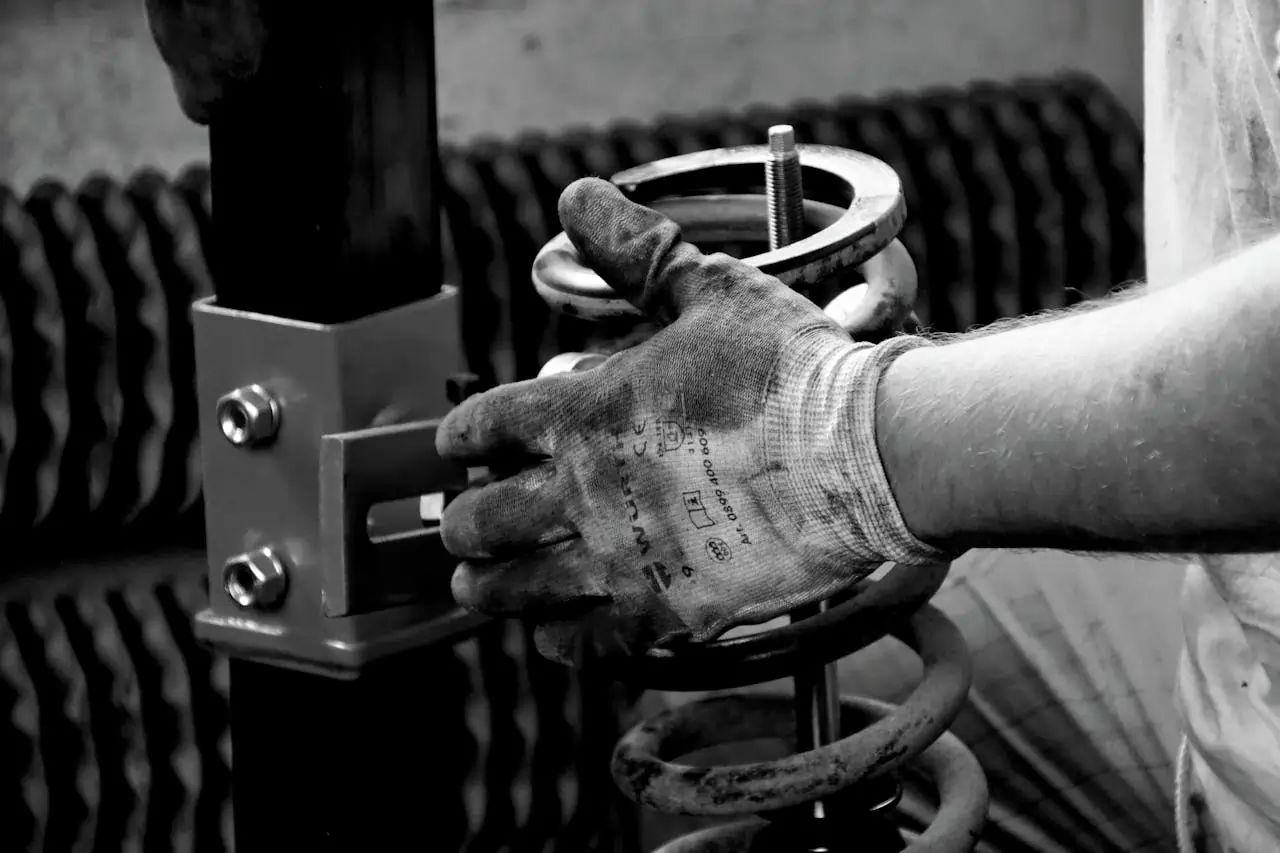
Do You Need a Spring Compressor to Install Springs?
If you’ve ever tackled a suspension job at home, you’ve probably asked yourself this question at some point: do I really need a spring compressor to install springs? It’s one of those topics that comes up constantly in online forums, garage conversations, and DIY automotive communities. The short answer is: yes, in almost every case, you do. But the longer answer is far more nuanced and understanding the why behind that answer could save your life, your vehicle, and your wallet.
This comprehensive guide breaks down everything you need to know about the spring compressor tool, when it’s required, what types are available, and how to use one safely. Whether you’re a weekend warrior working on your daily driver or an aspiring home mechanic diving into your first suspension job, this is the information you need before you touch a coil spring.
What Is a Spring Compressor Tool?
A spring compressor tool is a specialized piece of equipment designed to safely compress a coil spring so it can be removed from or installed onto a strut assembly or suspension system without catastrophically releasing its stored energy. Coil springs are under enormous tension even in a fully extended state, they still hold a significant amount of potential energy. When compressed during installation or removal, that energy multiplies dramatically.
To put it in perspective: a typical coil spring can store hundreds of foot-pounds of energy when compressed. If that spring were to suddenly release without being properly controlled say, because the wrong tool slipped the spring could launch across your garage with the force of a small explosive device. It can shatter bones, puncture walls, and in worst-case scenarios, cause fatal injuries.
That’s why the automotive spring compressor tool exists. It’s not just a convenience item. It’s a critical safety device.
Why You Can’t (and Shouldn’t) Skip the Spring Compressor
Let’s address the elephant in the room: there are people on the internet who will tell you that you can install springs without a compressor using ratchet straps, zip ties, or by simply “muscling through it.” This is dangerous advice, and here’s why.
The Physics Don’t Lie
A coil spring’s energy storage is governed by Hooke’s Law, which states that the force needed to compress a spring is proportional to the distance it’s compressed. By the time you’re compressing a spring enough to fit it into a strut assembly, you’re dealing with forces that no makeshift tool can reliably control. A ratchet strap rated for 1,000 lbs of working load isn’t designed to handle the sudden, dynamic release of energy that a coil spring can produce. The moment it slips and it will eventually slip you have a projectile on your hands.
Legal and Liability Considerations
Beyond safety, there are practical considerations. If you’re doing work on a vehicle and something goes wrong because you used improper tools, your insurance may not cover the damage or injuries. Professional mechanics are required by shop standards and OSHA regulations to use proper tools for suspension work. The same logic applies to your home garage.
The Vehicle Suffers Too
Even if you somehow manage to install a spring without a compressor and nothing catastrophic happens immediately, improper installation can damage the spring perches, scratch coatings that protect against corrosion, and misalign the spring in the strut assembly. Misaligned springs can cause uneven tire wear, poor handling, and premature wear on other suspension components. The cost of those downstream issues far exceeds the cost of simply renting or purchasing an automotive spring compressor tool.
Types of Spring Compressor Tools
Not all spring compressor tools are the same, and choosing the right one for your job matters. Here’s a breakdown of the most common types:
1. Hook-Style (Jaw) Spring Compressors
These are the most common type you’ll find at an auto parts store or tool rental counter. They consist of two threaded rods with hook-shaped jaws that clamp onto the coils of the spring. You turn the nuts to draw the hooks together, which compresses the spring.
Pros:
- Inexpensive and widely available
- Suitable for a wide range of spring sizes
- Easy to use for one-person jobs
Cons:
- The hooks can slip if not properly engaged, making them riskier than other designs
- Not ideal for springs with very tight coil spacing
- Lower-quality versions can bend or fail under load
Best for: Budget-conscious DIYers doing occasional suspension work on common passenger vehicles.
2. Strut Spring Compressors (Plate-Style)
These compressors clamp onto the strut assembly itself and use a plate mechanism to compress the spring evenly and securely. Many professional-grade versions are designed for specific vehicle makes or come with interchangeable adapters.
Pros:
- Extremely stable and secure
- Reduces the risk of the tool slipping
- Allows for more precise compression
Cons:
- More expensive than hook-style compressors
- May require the strut to be removed from the vehicle
- Some models are vehicle-specific
Best for: Mechanics doing regular suspension work or anyone working on performance vehicles with higher spring rates.
3. MacPherson Strut Spring Compressors
The MacPherson strut is one of the most common front suspension designs in modern vehicles. A MacPherson strut spring compressor is specifically engineered to work with this configuration, typically using a plate-and-fork design that cradles the spring safely while it’s being compressed.
Pros:
- Designed specifically for the most common suspension type
- Safer and more stable than generic hook-style tools
- Often used in professional shops
Cons:
- Not versatile for other suspension designs
- Higher cost than basic hook-style tools
Best for: Anyone who works frequently on modern front-wheel-drive or all-wheel-drive vehicles with MacPherson strut suspensions.
4. Coil Spring Compressor Stands (Bench-Mount)
These heavy-duty units are designed for professional shop use and allow the spring to be compressed while resting on a workbench stand. They offer the highest level of control and safety.
Pros:
- Maximum safety and stability
- Can handle high-rate performance springs
- Built for repetitive professional use
Cons:
- Expensive typically $200 to $600 or more
- Takes up significant bench space
- Overkill for occasional home use
Best for: Professional mechanics, performance shops, or dedicated home garages with a high volume of suspension work.
When Is a Spring Compressor Absolutely Required?
There are specific scenarios where using an automotive spring compressor tool is non-negotiable:
Replacing Strut Assemblies
On most modern vehicles, particularly those with MacPherson struts, the coil spring and shock absorber (strut) are housed together as a single unit. To replace just the strut, you must disassemble the assembly and remove the spring separately. This cannot be done safely without a spring compressor.
Lowering Spring Installation
If you’re installing aftermarket lowering springs for improved handling or aesthetics, you’ll almost certainly need a spring compressor. Lowering springs are stiffer than OEM springs and sit lower in the strut assembly, meaning there’s even more stored energy to manage during installation.
Replacing Worn or Broken Springs
Springs don’t last forever. They can crack, sag, or break especially in climates where road salt causes corrosion. Replacing a broken spring requires the same process as any other spring swap, and a spring compressor is absolutely required.
Installing Coilovers
Coilover suspension systems combine adjustable springs and shocks into one unit. Many coilovers come pre-assembled, but some require you to compress and install the spring onto the body of the coilover. Even when the spring rates are manageable, a spring compressor ensures the job is done correctly.
How to Use a Spring Compressor Tool Safely
Even with the right tool, improper technique can lead to accidents. Here is a step-by-step overview of safe spring compressor usage for a typical MacPherson strut job:
Step 1: Gather Your Equipment
Before you begin, make sure you have:
- A quality spring compressor tool rated for your vehicle’s spring rate
- A floor jack and jack stands
- Torque wrench
- Socket set and ratchet
- Safety glasses and gloves
- A helper (recommended for first-timers)
Never use a compressor that shows signs of wear, bent threads, or damaged hooks. Inspect the tool before every use.
Step 2: Remove the Strut Assembly
Loosen the lug nuts on the wheel, jack up the vehicle, and secure it on jack stands. Remove the wheel, disconnect the brake line bracket, remove the ABS sensor cable if present, and unbolt the strut from the steering knuckle. Disconnect the top mount bolts from the engine bay and carefully lower the strut out of the wheel well.
Step 3: Attach the Spring Compressor
Place the strut assembly on a clean, stable work surface. Attach the spring compressor hooks or plates to opposite sides of the spring, ideally spacing them about 180 degrees apart. Make sure the hooks are securely seated on the coils at least two full coils engaged on each side.
Step 4: Compress the Spring Gradually
Turn the compression bolts or nuts in alternating, even increments. Don’t rush this process. Compress each side a little at a time to keep even pressure on the spring. Continue until the spring is compressed enough that it no longer exerts pressure on the upper strut mount.
Step 5: Remove the Top Nut
Once the spring is fully compressed and no longer under tension against the strut mount, use a spring seat socket or a thin-profile wrench to hold the strut rod while you remove the top nut. Be careful if the spring is not adequately compressed, the top mount will still be under tension.
Step 6: Reassemble with the New Spring
Install the new spring onto the strut, aligning it with the spring seat. Carefully release the compressor in even increments, making sure the spring seats properly in both the lower and upper spring perches. Install the top mount and torque the top nut to manufacturer specifications.
Step 7: Reinstall the Strut
Reinstall the strut assembly into the vehicle, torque all fasteners to spec, reinstall the wheel, and lower the vehicle. After the job, it’s always a good idea to get a wheel alignment, since suspension work can affect alignment angles.
Renting vs. Buying a Spring Compressor Tool
One of the most common questions around this topic is whether you should buy or rent an automotive spring compressor tool. The answer depends on how often you plan to use it.
Renting
Most major auto parts chains (AutoZone, O’Reilly, Advance Auto Parts) offer free tool loan programs or low-cost rentals for spring compressors. This is ideal if you’re doing a one-time job and don’t want to invest in a tool you’ll rarely use. Rental tools are typically hook-style compressors adequate for most standard passenger vehicle applications.
Pros of renting:
- Little to no upfront cost
- No storage needed
- Good option for one-time jobs
Cons of renting:
- Tool quality can vary widely
- Hooks and threads may be worn from previous use
- Limited availability during busy seasons
Buying
If you plan to do suspension work regularly whether on your own vehicles, friends’ cars, or as a side business investing in a quality spring compressor tool makes more sense long-term. A mid-grade hook-style compressor set runs between $30 and $80. A quality strut-specific compressor runs $100 to $300.
Pros of buying:
- You know the tool’s history and condition
- Always available when you need it
- Better quality control with a dedicated tool
Cons of buying:
- Upfront cost
- Storage requirements
- May go unused for long periods
Safety Tips Every DIYer Should Know
Before we wrap up, here are some essential safety reminders for anyone working with a spring compressor:
Always wear safety glasses. Even with a proper tool, there’s always a risk of something slipping. Protect your eyes.
Never compress a spring beyond what’s needed. Over-compressing can damage the spring and stress the compressor beyond its rated capacity.
Never work under a vehicle supported only by a jack. Always use proper jack stands.
Inspect the compressor tool before every use. Bent threads, cracked hooks, or stripped nuts are red flags. Don’t use a damaged tool.
Work slowly and methodically. Rushing suspension jobs is how accidents happen.
Consult your vehicle’s service manual. Torque specs, spring perch alignment, and strut-specific procedures vary from vehicle to vehicle.
What Happens If You Use the Wrong Spring Compressor?
Using an undersized, worn-out, or incompatible spring compressor tool is just as dangerous as using no compressor at all. Here’s a closer look at the failure modes you need to understand.
Hook Slip
The most common failure with cheap hook-style compressors is hook slip, when the hooks lose their grip on the spring coils mid-compression. This can happen when the hooks aren’t seated on enough coil material, when the coils are too widely spaced for the hooks to grip securely, or when cheap metal deforms under load. When a hook slips, the energy stored in the partially compressed spring releases instantly and unpredictably. This is why many experienced mechanics prefer plate-style compressors or always use safety chains as a backup when using hook-style tools.
Thread Failure
Compressor rods under load place enormous stress on the threads of the compression bolts. If the tool is old, corroded, or simply of poor quality, the threads can strip mid-job. This again results in a sudden, uncontrolled release of spring energy. Always inspect the threads on your compressor before use and replace any compressor with visible thread damage.
Incorrect Fit for the Spring Type
Using a spring compressor designed for light-duty passenger vehicle springs on a truck or performance vehicle with high-rate springs can exceed the tool’s rated capacity. Most consumer-grade hook compressors are rated for springs up to a certain spring rate (measured in lbs/inch). Exceeding that rating causes the tool to flex, bend, or fail. Always check the tool’s rated capacity against the spring rate of the spring you’re working with.
Misaligned Compression
If the compressor hooks or plates aren’t placed symmetrically on the spring ideally 180 degrees apart the compression force becomes uneven. This can cause the spring to tilt or “walk” to one side under load, leading to a dangerous loss of control. Symmetrical placement and gradual, alternating compression are non-negotiable.
How to Choose the Right Spring Compressor for Your Vehicle
With so many options on the market, it helps to have a clear framework for selecting the right automotive spring compressor tool for your specific application.
Consider Your Vehicle Type
Passenger cars and small SUVs with MacPherson struts are the most common application for home mechanics. A standard hook-style compressor or MacPherson-specific plate compressor will work well for these vehicles. Trucks and performance vehicles with coilover shocks or heavier spring rates require a more robust tool.
Check the Spring Rate
Your vehicle’s service manual or the spring manufacturer’s specifications will list the spring rate in lbs/inch or N/mm. Compare this to the rated capacity of the compressor you’re considering. If the spring rate exceeds the tool’s capacity, step up to a heavier-duty model.
Look for Safety Features
Quality compressors include features like safety pins or clips that prevent hooks from disengaging under load, wide hook jaws that provide better coil engagement, and thread protection caps that prevent damage to the threads. These features are worth paying a little extra for.
Ergonomics Matter
If you’re doing this job solo, consider how easy the compressor is to work with single-handed. Some designs make it easier to alternate between the two compression rods without awkward repositioning, which reduces the chance of rushing the job and making a mistake.
Brand and Warranty
Established brands like OTC Tools, Powerbuilt, Lisle, and Pittsburgh (Harbor Freight’s professional line) offer reliable options at various price points. A tool with a manufacturer warranty gives you some assurance against defects. Avoid no-name, unbranded tools from unfamiliar sources when it comes to a tool managing this much stored energy, brand reputation matters.
Common Misconceptions About Spring Compressor Tools
“I Don’t Need One If I’m Installing Pre-Assembled Struts”
True, if you’re buying complete, pre-assembled strut units (sometimes called “quick struts”), the spring comes already mounted and compressed on the new strut. In that case, you don’t need a spring compressor for installation. However, this option costs more than buying individual components, and it limits your ability to mix and match springs and shocks to your preferences.
“It’s Fine for Short Springs Like Lowering Springs”
Lowering springs are actually more dangerous to work with than stock springs in many cases because they have higher spring rates. A stiffer spring stores more energy per unit of compression, making proper tooling even more important.
“I Can Use a Ratchet Strap”
No. Please don’t. Ratchet straps are not designed to withstand the sudden, dynamic release of stored spring energy. This is a dangerous improvisation that has sent people to the hospital.
Final Verdict: Do You Need a Spring Compressor to Install Springs?
Yes, unequivocally, yes. The spring compressor tool is not optional for any suspension job that requires you to disassemble or reassemble a strut or standalone coil spring. It is the difference between a job completed safely and efficiently, and a potentially life-threatening accident in your driveway.
The good news is that quality automotive spring compressor tools are more accessible than ever. You can rent one for free from most auto parts stores, or buy a solid set for under $100. Given what’s at stake your safety, your vehicle’s integrity, and the quality of the repair there’s simply no justification for skipping this tool.
Whether you’re a first-time DIY mechanic replacing worn-out struts, a car enthusiast upgrading to performance lowering springs, or someone maintaining an aging daily driver, the spring compressor is one of those tools you should never work without. Treat it with the respect it deserves, follow safe handling procedures, and your suspension jobs will go smoothly every time.
Working on your suspension for the first time? Always refer to your vehicle’s official service manual or a trusted repair database for model-specific instructions, torque specifications, and safety guidelines. When in doubt, consult a qualified mechanic.
Frequently Asked Questions
1. Can I install springs without a spring compressor?
No, it is not recommended. Attempting to install springs without a proper spring compressor tool is extremely dangerous and can result in serious injury.
2. Are rental spring compressors safe to use?
Yes, but only if you inspect them carefully before use. Check for worn threads, bent rods, or damaged hooks.
3. How much does a spring compressor tool cost?
Basic models start around $30, while professional-grade tools can range from $100 to $300 or more.
4. Do I need a spring compressor for lowering springs?
Yes. Lowering springs are often stiffer than stock springs and require proper compression for safe installation.
5. What is the safest type of spring compressor?
Plate-style or bench-mounted compressors are generally safer than hook-style tools because they provide more stability.
6. Can a beginner use a spring compressor?
Yes, but caution is required. Follow instructions carefully, work slowly, and consider having someone experienced assist you.
7. Do pre-assembled struts require a spring compressor?
No. Pre-assembled struts come with the spring already installed, so no compressor is needed.
8. What happens if a spring compressor fails?
If a compressor fails under load, the spring can release violently, potentially causing serious injury or damage.




Add comment